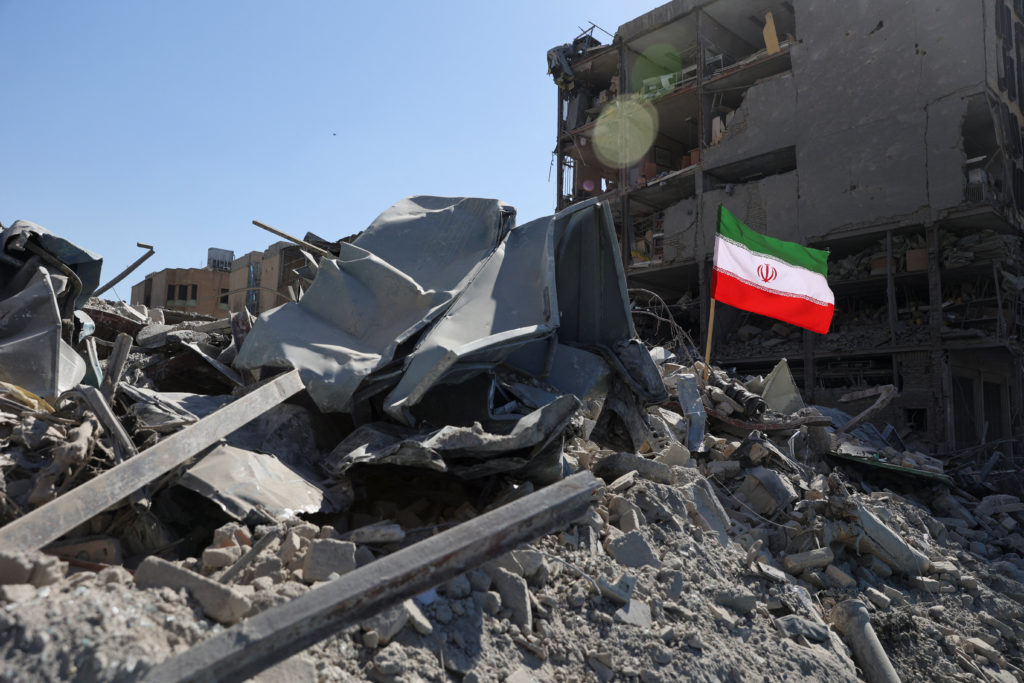
Drones Strike US Embassy in Riyadh: Fire and Minor Damage Confirmed Amid Regional Tensions
In a significant escalation of regional hostilities, the United States Embassy in Riyadh, Saudi Arabia, confirmed on Tuesday, March 3, 2026, that it had been targeted by a drone attack. The incident, which led to a limited fire and minor material damage to the embassy premises, underscores the volatile security situation in the Gulf and the increasing frequency of drone-related incidents. The Saudi Ministry of Defense swiftly acknowledged the event, providing further details on the nature and immediate consequences of the strike.
The attack forced the embassy to suspend all operations, including vital citizen services, and issue urgent security advisories to American nationals across the Kingdom. This event unfolds against a backdrop of ongoing military operations and heightened tensions between US-Israeli allies and Iran, transforming the region into a complex theater of proxy conflicts and direct confrontations. Understanding the nuances of this attack, its immediate impact, and its broader implications is crucial for comprehending the evolving dynamics of Middle Eastern security.
Details of the Attack and Immediate Aftermath
The dawn of March 3, 2026, brought a concerning development to the Saudi capital. The U.S. Embassy in Riyadh officially announced it had sustained an attack, following earlier reports from the Saudi Ministry of Defense. According to the Saudi spokesperson, two drones were responsible for the strike, resulting in a "limited fire" and "minor material damage" to the embassy building. Eyewitnesses corroborated these reports, describing plumes of smoke rising above the diplomatic compound and subsequently hearing explosions that reportedly shook nearby residences in the city's center.
In response to the unprecedented threat to the US Embassy in Riyadh, the mission immediately declared itself closed. All routine and emergency appointments for American citizens were cancelled, with an unequivocal directive to "avoid the embassy until further notice due to an attack against the facilities." This swift action highlights the gravity of the situation and the priority placed on the safety of diplomatic staff and American citizens in the Kingdom.
Adding to the immediate fallout, a source close to the Saudi army, speaking anonymously due to the sensitivity of the information, disclosed that Saudi air defenses had successfully intercepted four drones targeting Riyadh’s diplomatic quarter. While it remains unclear if these were the same drones or additional threats, the interception suggests a coordinated and potentially broader assault aimed at disrupting the capital's sensitive areas. The use of drones in such a high-profile target underscores a significant shift in the tactics employed by non-state and state actors alike in regional conflicts.
Broader Geopolitical Landscape and Escalating Tensions
The drone strike on the ambassade ryad drones cannot be viewed in isolation. It is a direct manifestation of the simmering and often explosive conflict between US-Israeli interests and Iran, which continues to ignite various flashpoints across the Gulf. The reference context explicitly points to an ongoing "American-Israeli military operation against Iran" that commenced just days prior to the embassy attack. This wider conflict has seen various forms of retaliation and preemptive strikes, contributing to an increasingly precarious security environment.
Prior to the embassy incident, the region had already witnessed a series of missile attacks. Iranian missiles targeting Riyadh International Airport and the Prince Sultan Air Base – a crucial facility housing American military personnel – had been intercepted by Saudi defenses. This pattern of strikes against critical infrastructure and military installations illustrates a concerted effort to project power and inflict damage in response to the broader conflict. The drone attack on the embassy signifies a dangerous escalation, moving beyond traditional military targets to directly threaten diplomatic representations, which typically enjoy a degree of immunity under international law.
The involvement of various actors, some state-sponsored and others non-state militias, complicates the attribution of responsibility and the potential for de-escalation. The sophistication of these drone attacks, coupled with their ability to penetrate air defense systems, raises serious questions about regional stability and the future of conflict in an era dominated by asymmetric warfare. For a deeper dive into the broader implications, consider reading Riyadh Drone Attack: Escalation Amid US-Iran Tensions in the Gulf.
Impact on Diplomatic Operations and Civilian Safety
The immediate repercussions of the drone attack extended beyond the U.S. Embassy. The Irish Embassy in Riyadh also issued an advisory, urging its citizens to shelter in place due to "ongoing missile attacks," indicating a wider threat perception within the diplomatic community. This collective response underscores the palpable fear and uncertainty gripping foreign missions and expatriate communities in the Saudi capital. The cancellation of services at the U.S. Embassy means a temporary halt to passport renewals, visa applications, and assistance for American citizens, creating significant logistical challenges for those requiring urgent help.
For American citizens residing in Riyadh, Jeddah, and Dhahran, the embassy's directive to "stay indoors" and "avoid the embassy until further notice" serves as a stark reminder of the volatile security landscape. Practical tips for expatriates and travelers in such situations include:
- Stay Informed: Regularly check official embassy alerts, local news, and credible international media for updates.
- Have an Emergency Plan: Ensure family members know what to do in case of an emergency, including designated safe areas and communication methods.
- Secure Essential Supplies: Keep a basic supply of food, water, and necessary medications on hand in case of prolonged shelter-in-place orders.
- Maintain Contact: Register with your country's embassy or consulate services (e.g., STEP program for U.S. citizens) to receive direct alerts and enable them to contact you in an emergency.
- Review Travel Advisories: Always be aware of the current travel advisories for your region and consider their implications for your daily routines.
The psychological impact of such attacks on diplomatic staff and their families, as well as on the wider expatriate community, cannot be overstated. The constant threat of strikes can lead to heightened anxiety and a re-evaluation of security protocols for all foreign missions operating in high-risk environments.
Conclusion
The drone attack on the US Embassy in Riyadh on March 3, 2026, marks a critical juncture in the ongoing geopolitical struggles in the Middle East. While the damage was officially described as minor, the symbolic weight of striking a diplomatic mission of this magnitude is substantial. It signals an audacious attempt to challenge international norms and directly confront the United States on Saudi soil. As the region grapples with the complexities of proxy warfare, advanced drone technology, and an intricate web of alliances and rivalries, incidents like the ambassade ryad drones attack serve as potent reminders of the fragility of peace and the imperative for sustained diplomatic efforts to de-escalate tensions and protect civilian lives.